On this page
Who does Downtown Dubai fit?
Downtown Dubai suits a buyer who wants a high-rise city-centre base close to major visitor, retail and cultural destinations and treats building operations as part of the purchase. A buyer who needs private outdoor space must verify that requirement against the exact unit rather than infer it from the district; a landed home or low-traffic residential street should be treated as a separate constraint. That is a constraint match, not a ranking or an investment conclusion.
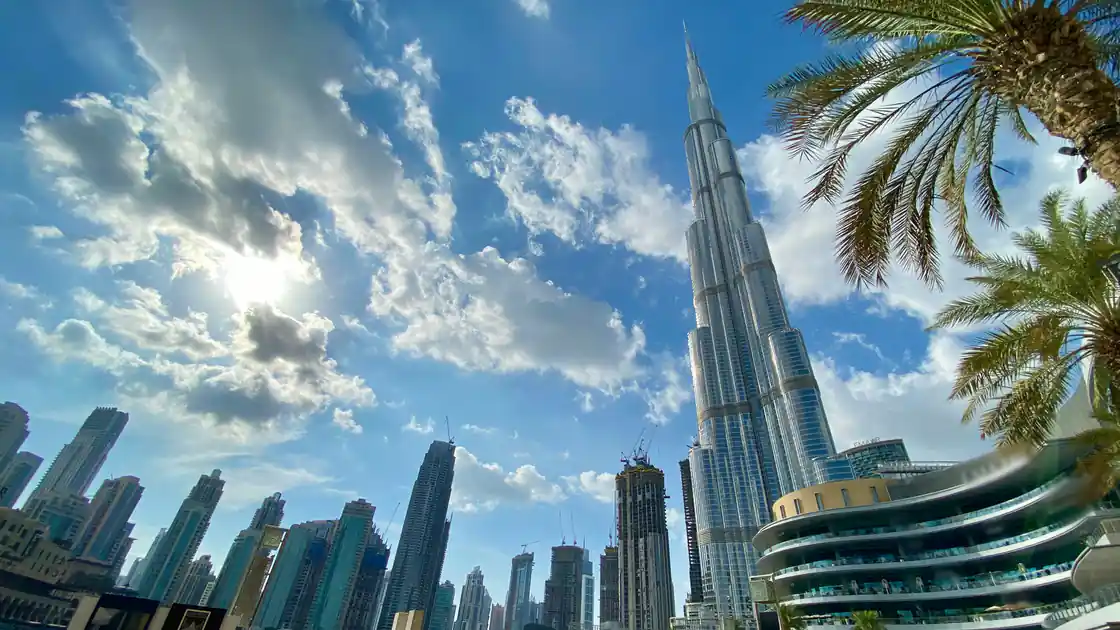
Emaar identifies the district between Sheikh Zayed Road and Financial Centre Road and around Burj Khalifa, Dubai Mall and Dubai Fountain. Read that as physical and operational context only. A district built around destinations of that scale still tells a buyer nothing about whether a particular title, layout, tower, route or contract works for the intended use.
Use the Dubai areas research hub to hold this profile inside a shortlist compared on identical terms, rather than reading one community page as a recommendation.
| Decision frame | What the area can establish | What still needs property-level evidence |
|---|---|---|
| Buyer fit | The broad setting and property pattern | Budget, use date, space, liquidity and daily routine |
| Ownership and use | Which official records to open | Exact registered right, contract, occupancy and use rules |
| Access and operations | Available network and public-realm context | Door-to-door route, parking, management and building systems |
| Risks | Questions suggested by the setting | Inspection, documents, adjacent plots and contractual allocation |
| Evidence limits | Named primary-source routes | Current, methodologically comparable building and market metrics |
| Best for / choose Downtown Dubai if | A central high-rise base beside major visitor destinations is the priority and quiet is not | The exact tower, route, title and building records confirm that the priority is actually met |
What ownership and use must be checked?
A Downtown address establishes neither the ownership right attached to a specific unit nor the uses that unit permits. Open the record for the exact tower and unit, match the registered owner or developer entity, and reconcile the registered description with the contract. A completed apartment needs its title and any mortgage or tenancy position; an off-plan unit needs project registration, developer identity and escrow evidence.
A use class is the category of use a property is recorded or approved for — residential, serviced, hotel-linked, office or retail — in the title, planning, building and contract documents that govern it. Two units in one tower can sit in different classes.
Residential towers, serviced residences and hotel-linked stock sit close together in this district, and those categories are not governed by the same use rules. Fix the intended use first — owner occupation, long-term letting, a managed arrangement or another permitted use — then read the building rules and contract clauses that apply to it. The Dubai buyer process shows where these checks belong before reservation or transfer.
How do access and operations affect the decision?
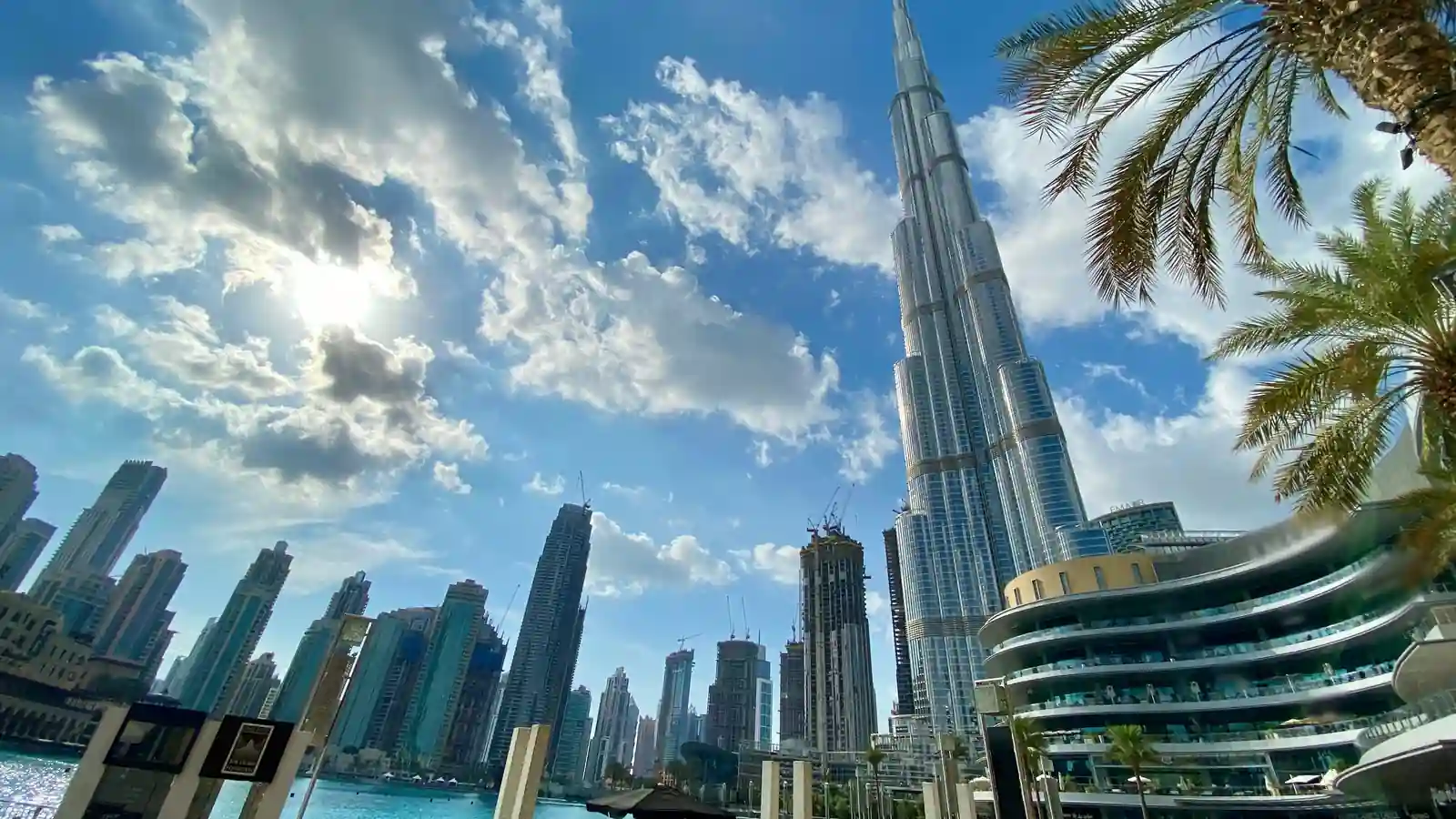
RTA lists Burj Khalifa/Dubai Mall on the Red Line. The useful test is the walking route from the exact entrance, including covered links, crossings, heat exposure and the final connection to the building. A station named after a destination says nothing about the last stretch from a specific tower lobby.
Confirm the building manager, access control, loading arrangements, parking rights and any operator agreement for the selected unit. Where a tower sits against retail and visitor traffic, ask how access, loading, security and drop-off are managed and who carries the cost.
An operator agreement is the contract under which a hotel or serviced-residence operator runs a unit or a building, setting the permitted use, the owner's own access, the letting arrangement and the allocation of costs. It governs what an owner may actually do.
Record each recurring item against its own evidence source: the approved service-charge record for that property, management disclosures, utility responsibility, insurance, reserve or maintenance information, parking and any operator terms. The buying-cost calculator can structure those inputs but must not supply the ones that are missing.
Which risks require unit-level evidence?
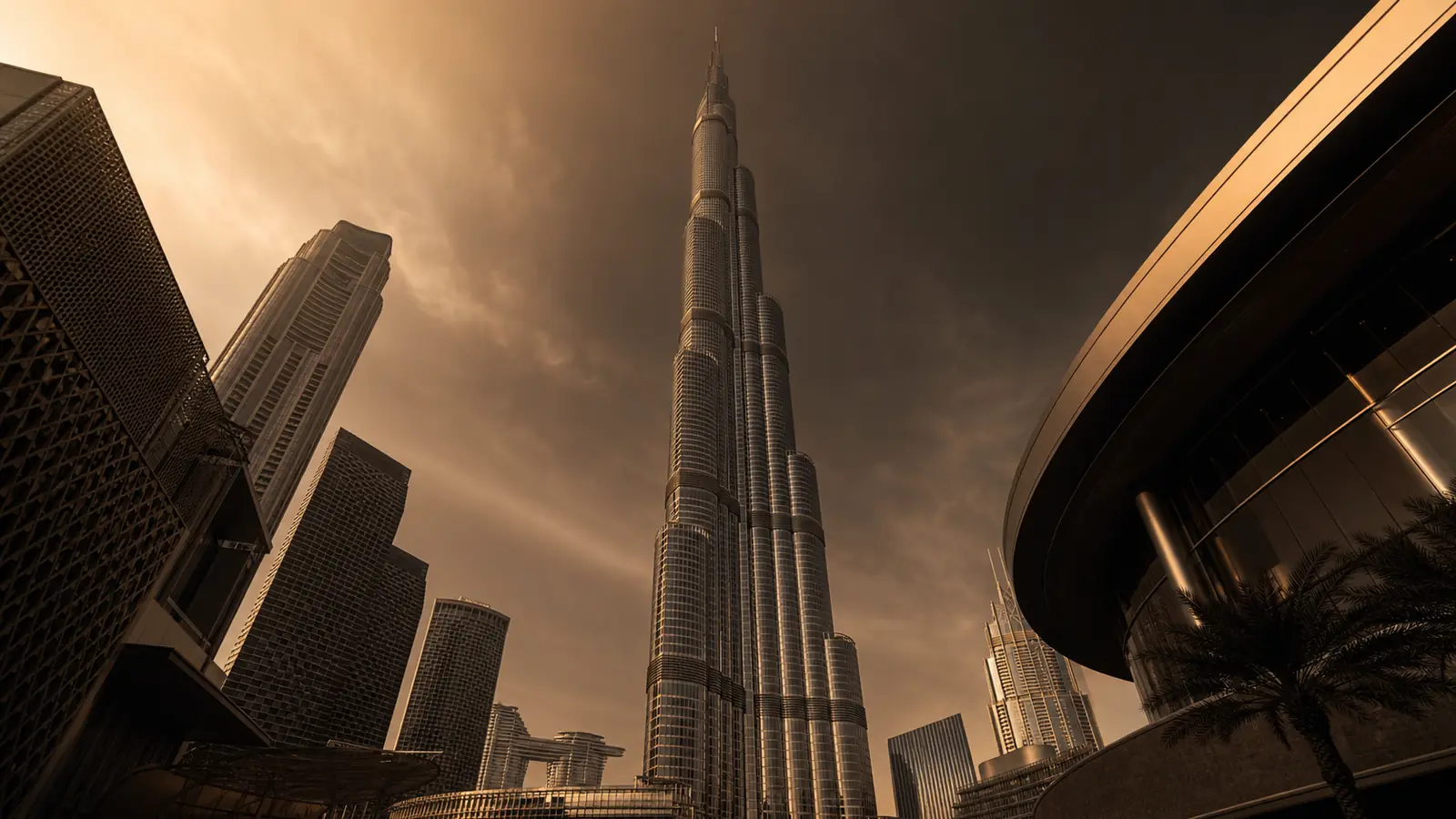
Check the actual view corridor, neighbouring plot status, lift and loading capacity, visitor traffic at the entrance, parking allocation, move-in rules and any renovation or operator restrictions. None of these can be inferred from a Downtown postcode, and none is constant across towers on the same boulevard.
A view corridor is the line of sight from a unit across the plots around it, which is a function of what those neighbouring plots are permitted to build rather than of the address. Nothing on this page establishes it for any tower.
Compare Downtown Dubai with Business Bay using the same questions. The comparison is meaningful only when the evidence dates, property types, use assumptions and cost treatment match.
Which figures does this page not publish?
No single Downtown Dubai price, rent, yield, ranking, service-charge range or handover volume is reliable without a named DLD-derived dataset and a repeatable method behind it. DLD publishes open-data and Service Charge Index routes; a figure drawn from them belongs here only with its extraction, cleaning and comparison method stated beside it.
A Downtown figure would also have to separate residential, serviced and hotel-linked stock, because a single average across them would describe no purchasable unit. Any future metric must name the dataset, access date, transaction or rental period, property filters, outlier treatment, unit basis and formula. A number whose calculation cannot be repeated stays absent rather than estimated.
Limitations of this area profile
This page does not inspect a unit, value a property, interpret a contract or predict demand, completion, rent, resale or return. The Emaar community description and the RTA network map establish where the district sits and which line serves it; neither verifies a particular title, tower condition, service-charge position or planned works.
Two limits are specific to a dense central district: view corridors and the surrounding public realm can change through works this page does not track, and this page does not measure the volume or timing of visitor traffic around the major destinations.
Before committing, re-run the official searches, inspect the tower and its common areas where access allows, and take qualified legal, technical, tax and finance advice against the buyer's own circumstances.
Sources and verification
- Downtown Dubai — The Ultimate AddressEmaar PropertiesAccessed
- Metro and tram stations mapRoads and Transport AuthorityAccessed
- Dubai real-estate open dataDubai Land DepartmentAccessed
- Service Charge IndexDubai Land DepartmentAccessed
Frequently asked questions
Who does Downtown Dubai fit?
Downtown Dubai suits a buyer who wants a high-rise city-centre base close to major visitor, retail and cultural destinations and treats building operations as part of the purchase. A buyer who needs private outdoor space must verify that requirement against the exact unit rather than infer it from the district; a landed home or low-traffic street should be treated as a separate constraint. Suitability still depends on the exact asset, daily routes, building records, contract and the buyer's own use and liquidity constraints.
Can a foreign buyer own property in Downtown Dubai?
Do not infer ownership eligibility from the district name, and do not infer it from a neighbouring tower either. Check the exact tower and unit in the current DLD property record, then confirm which right the contract actually transfers before any payment is made.
How should access in Downtown Dubai be tested?
RTA lists Burj Khalifa/Dubai Mall on the Red Line. The useful test is the walking route from the exact entrance, including covered links, crossings, heat exposure and the final connection to the building. Repeat the trip at relevant times rather than relying on a map pin or marketing travel time.
What are current prices and yields in Downtown Dubai?
This page publishes none. A Downtown figure would also have to separate residential, serviced and hotel-linked stock, so price, rent and yield metrics are not stated without a named DLD-derived dataset, sampling period and auditable calculation method behind them.
Related reading
Areas
Dubai Creek Harbour Property: Buyer Fit and Checks
Assess Dubai Creek Harbour by buyer fit, ownership and use, access, building operations, unit‑level risks and evidence limits. Prices and yields stay excluded.
Areas
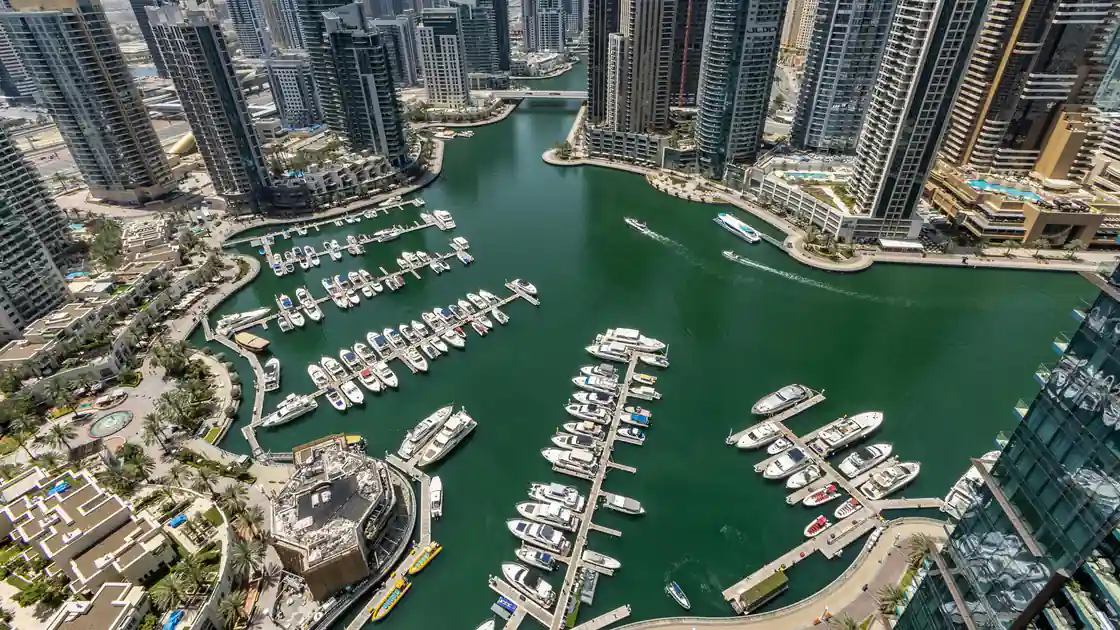
Dubai Marina Property: Buyer Fit, Access and Risks
Assess Dubai Marina by buyer fit, ownership and use, access, building operations, unit‑level risks and evidence limits. Prices and yields remain excluded.
Areas
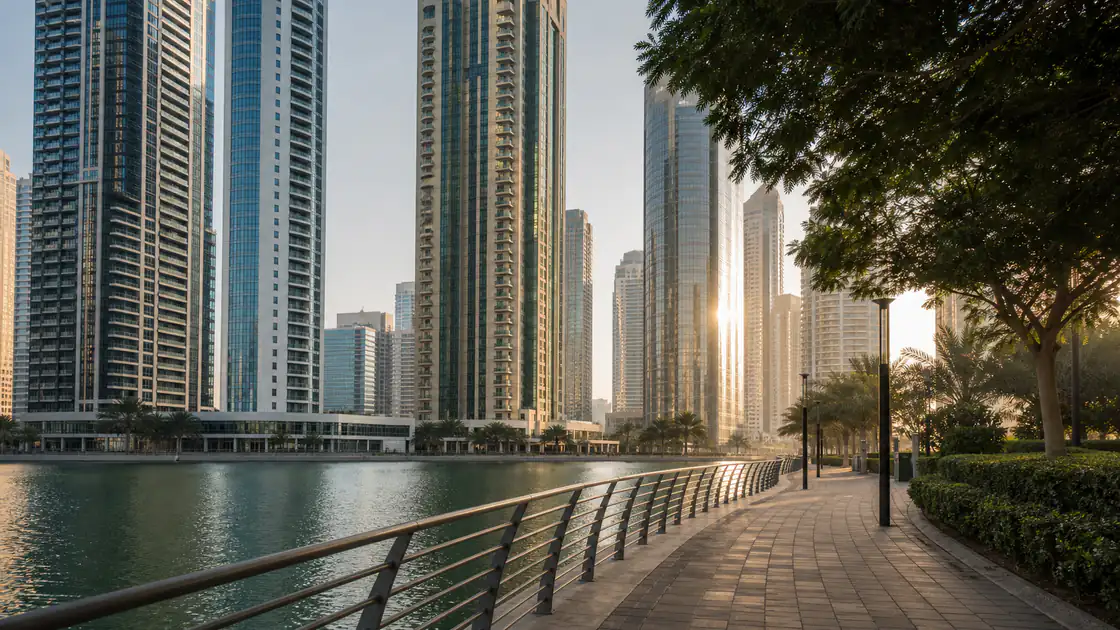
Jumeirah Lake Towers (JLT) Property: Buyer Fit and Access
Assess Jumeirah Lake Towers (JLT) by buyer fit, ownership and use, access, operations, unit‑level risks and evidence limits. Prices and yields stay excluded.
Areas
Jumeirah Village Circle (JVC) Property: Buyer Fit and Risk
Assess Jumeirah Village Circle (JVC) by buyer fit, ownership, access, operations, unit‑level risks and evidence limits. Prices and yields stay excluded.